
Bahis deneyimini mobil cihazlara taşıyan Bahsegel her zaman yanınızdadır.
Professional Psychiatric and Therapeutic Services
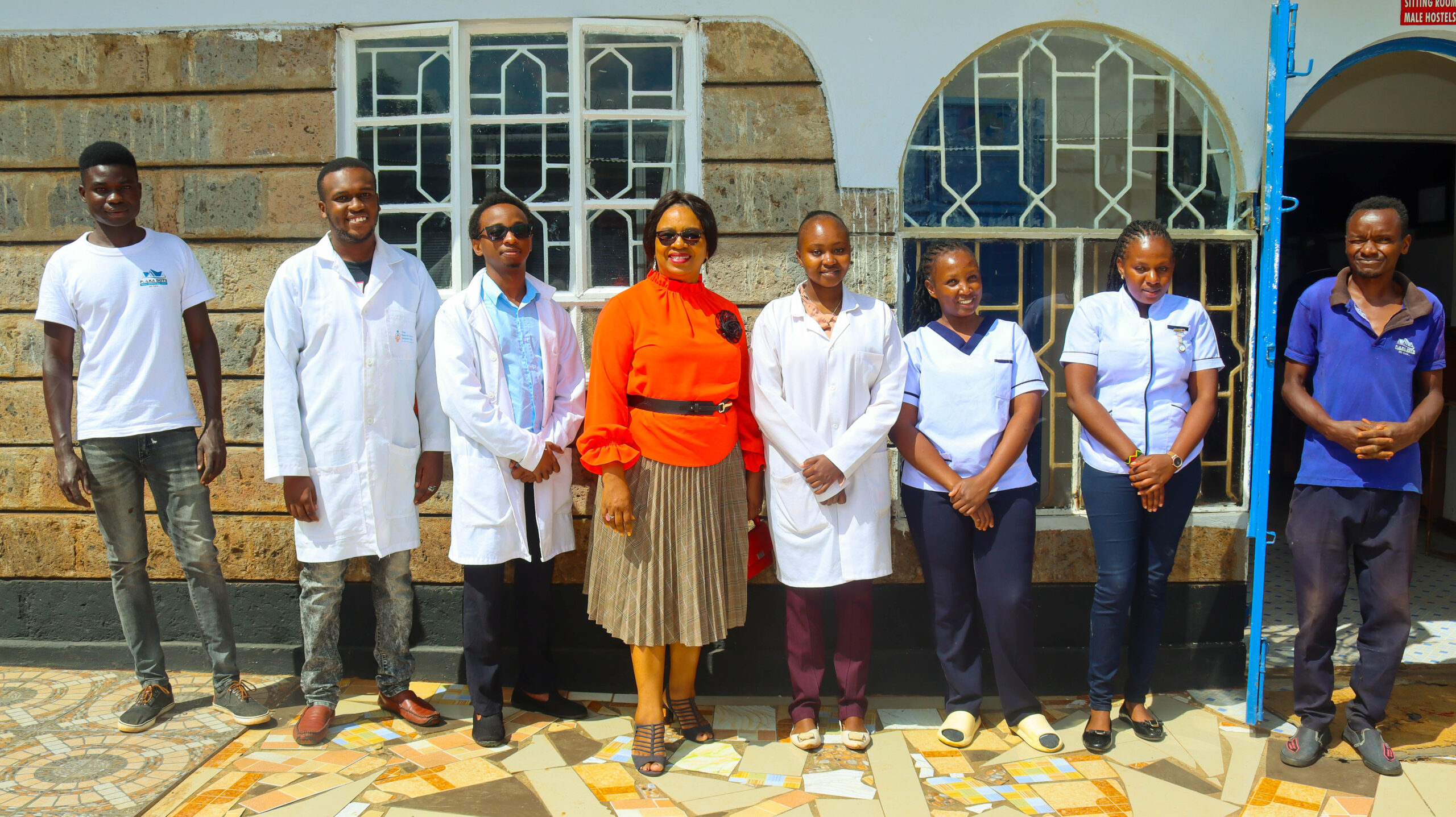
Psychiatric Review
Comprehensive mental health evaluations conducted by licensed psychiatrists to assess, diagnose, and manage psychiatric conditions. These reviews guide individualized treatment plans and monitor progress over time.
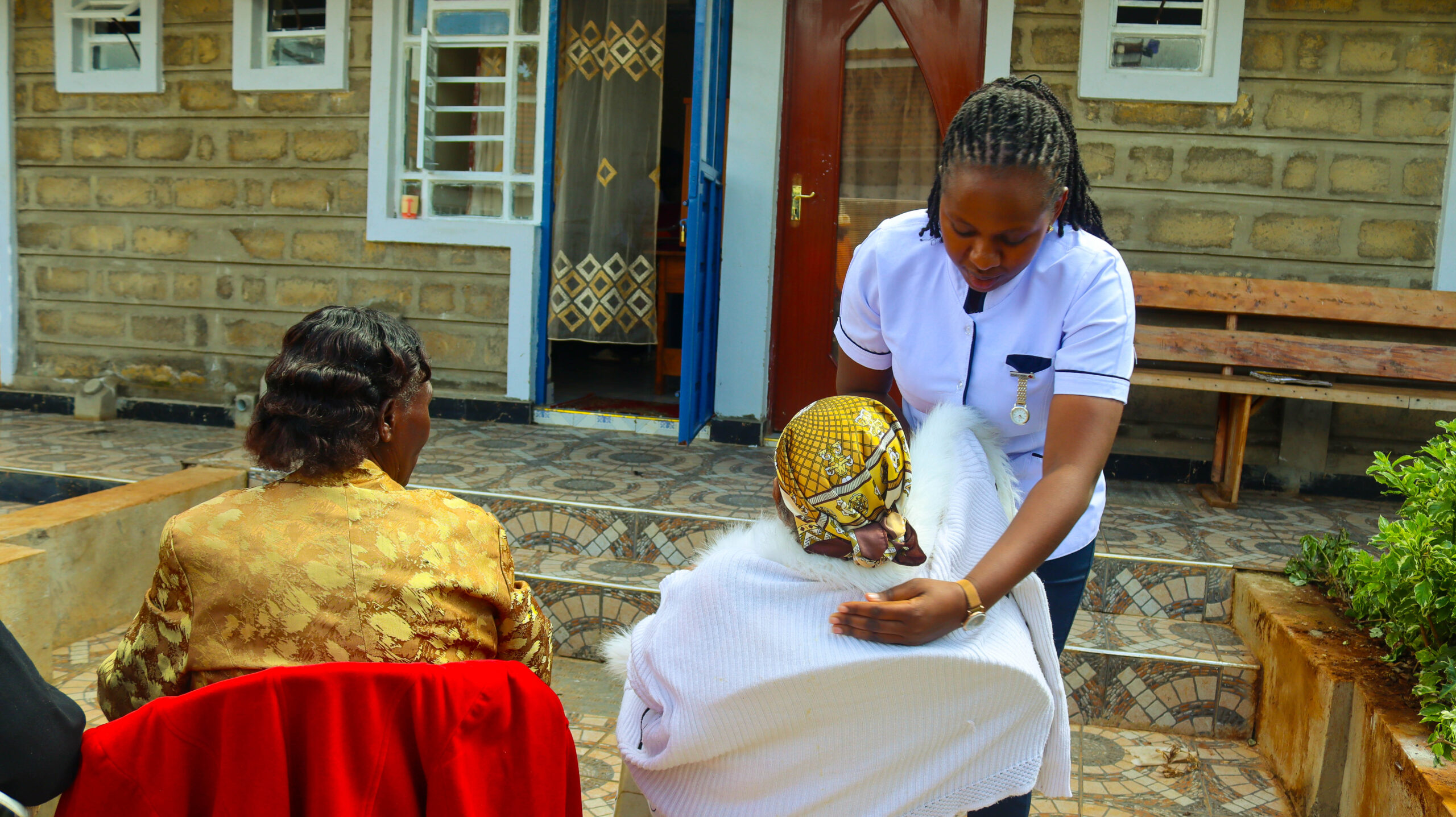
Treatment and Support
Our facility offers both residential and outpatient care for individuals requiring short or long-term psychiatric treatment. We combine medication management, talk therapy, and lifestyle support for holistic healing.
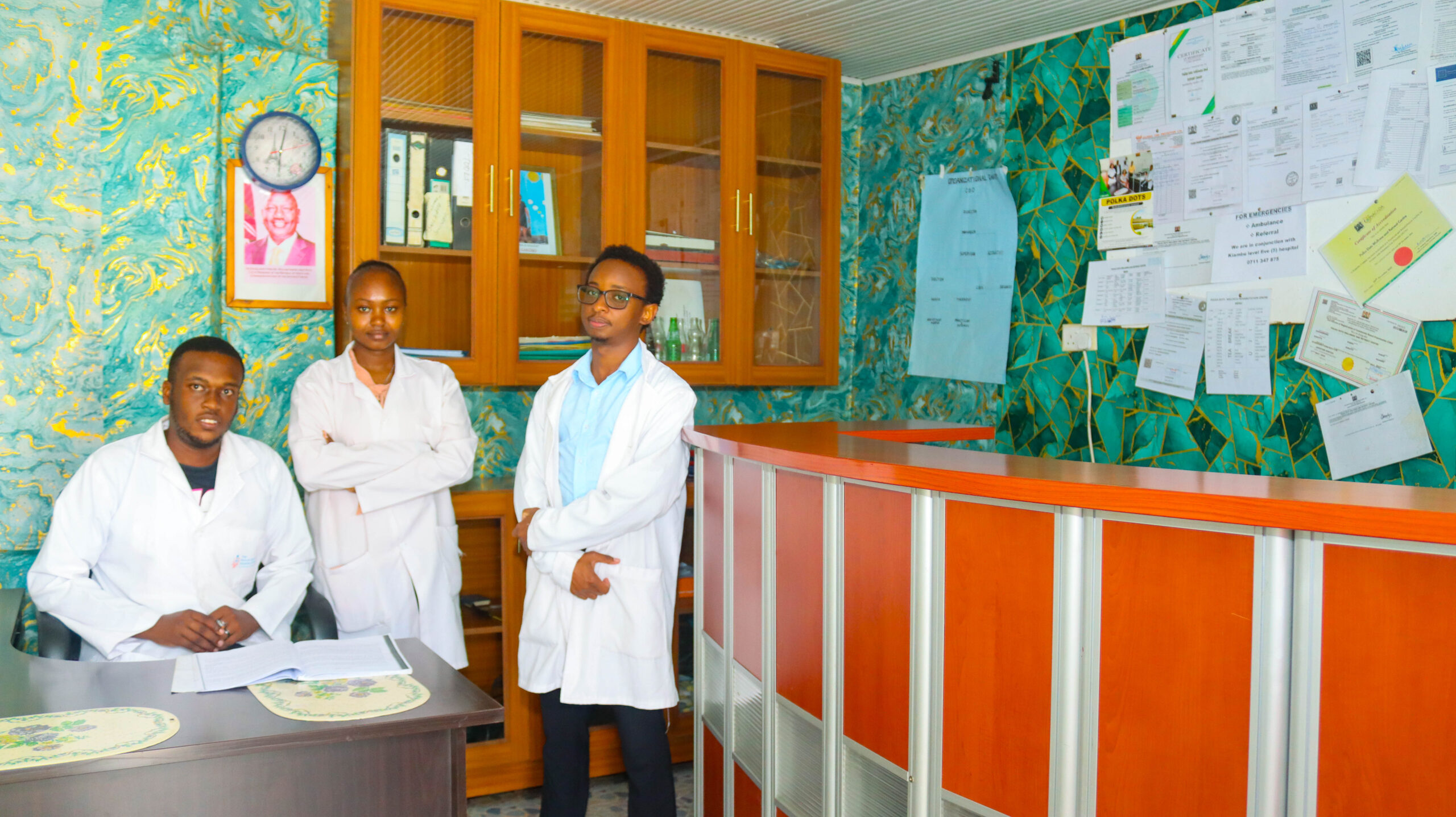
Assessment and Screening
Initial and ongoing clinical assessments help identify mental health disorders, substance use patterns, trauma history, and behavioral concerns. Our screening tools ensure accurate diagnosis and informed care planning.
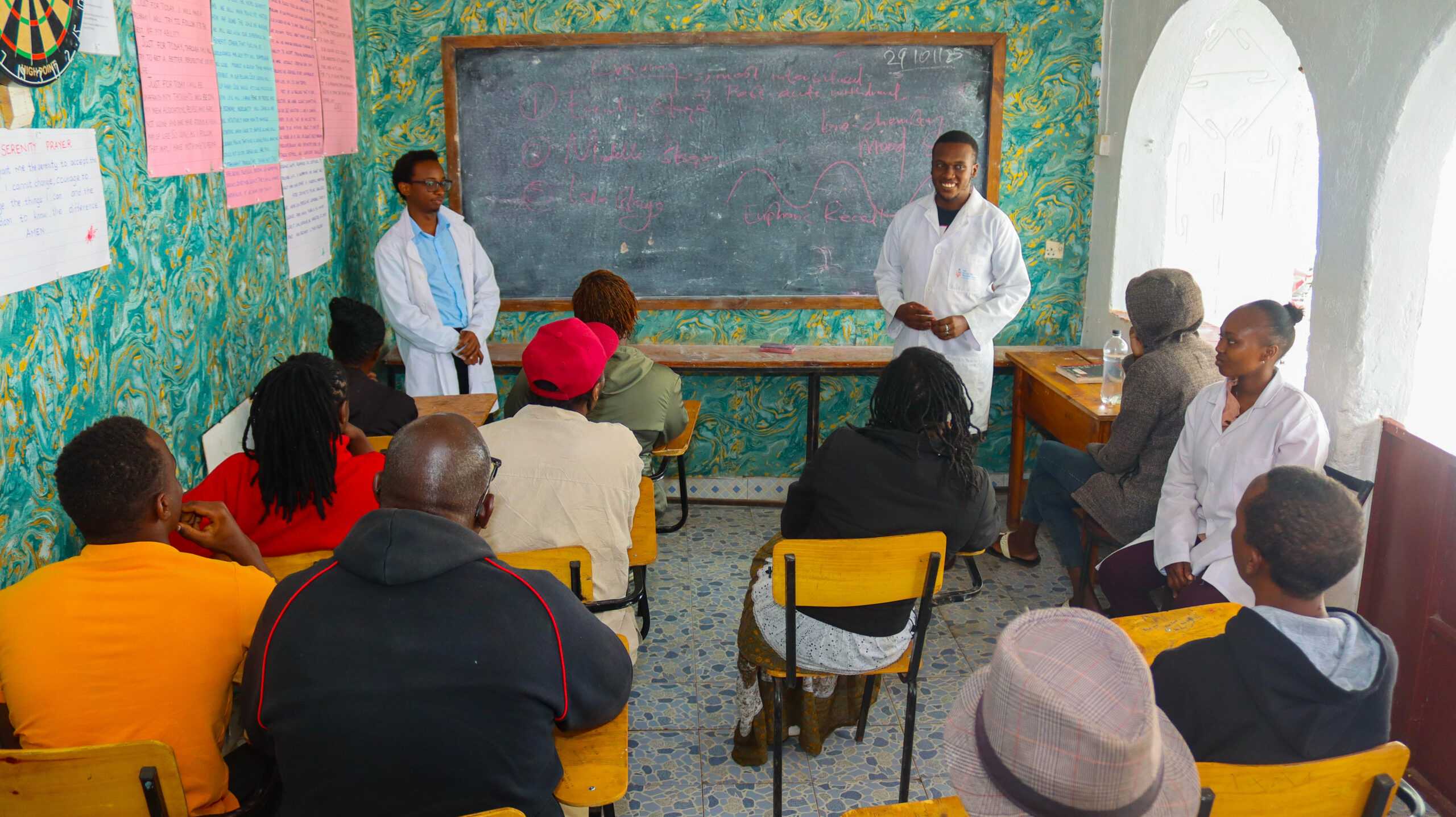
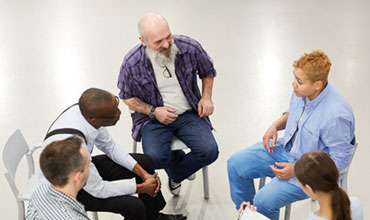
Individual and Group Counselling
Clients receive one-on-one therapy sessions and benefit from group counselling to develop insight, coping strategies, and social support. We address issues such as anxiety, depression, trauma, grief, and relationship struggles.

Family Therapy
Family involvement is crucial to recovery. We work with families to repair communication, educate them on mental health, and create a supportive home environment for healing and reintegration.
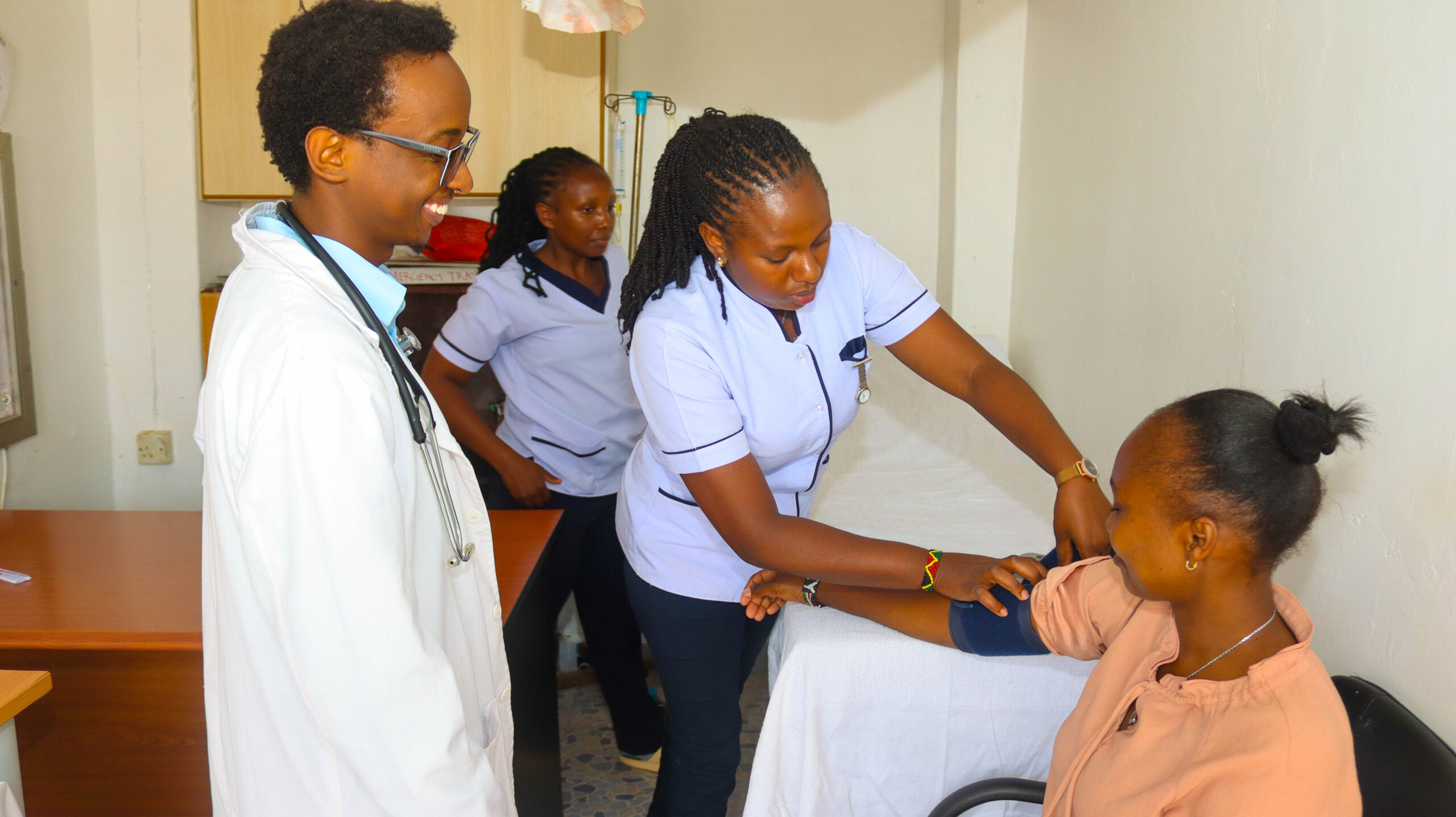
Medically Monitored Detoxification
Our detox program is supervised by medical professionals who ensure clients safely withdraw from substances while managing withdrawal symptoms and stabilizing their mental and physical health.
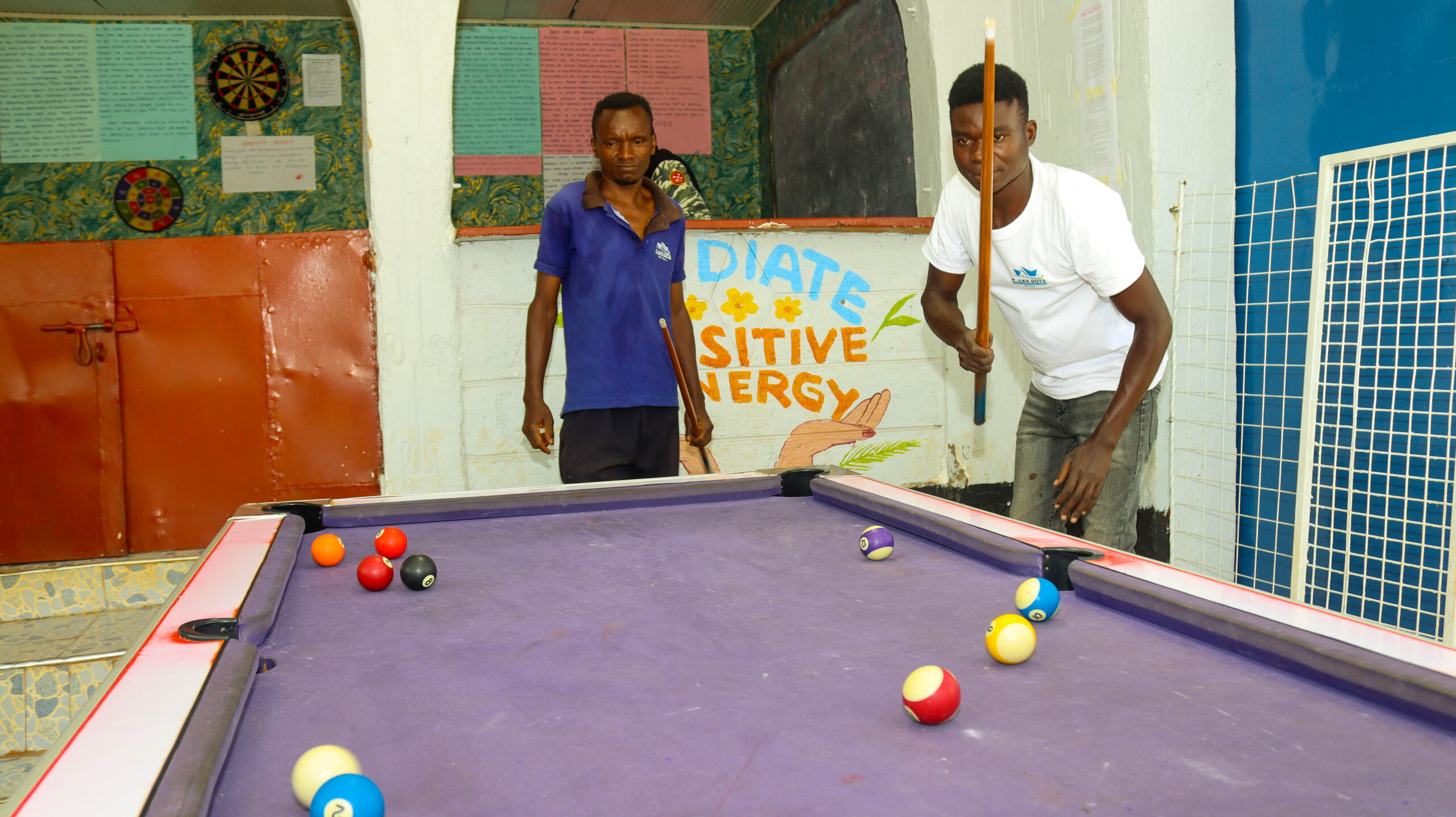
Relapse Prevention
We equip clients with tools and strategies to identify triggers, build resilience, and develop a personalized plan to prevent relapse and maintain long-term recovery.
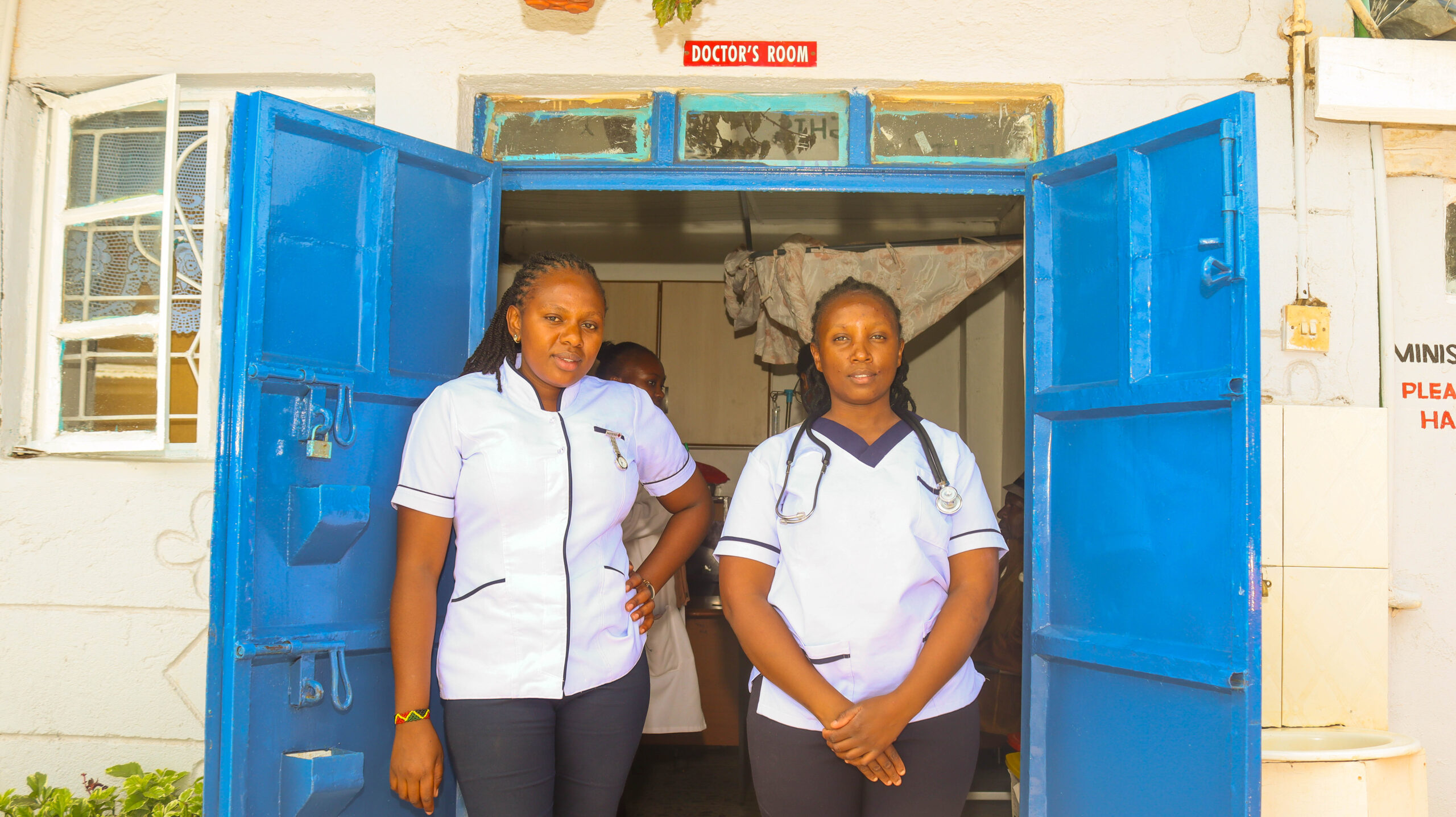
Mental Health Services
Our core offering includes the management and treatment of psychiatric illnesses such as schizophrenia, bipolar disorder, major depression, and dementia. Services include therapy, medication, and psychoeducation.
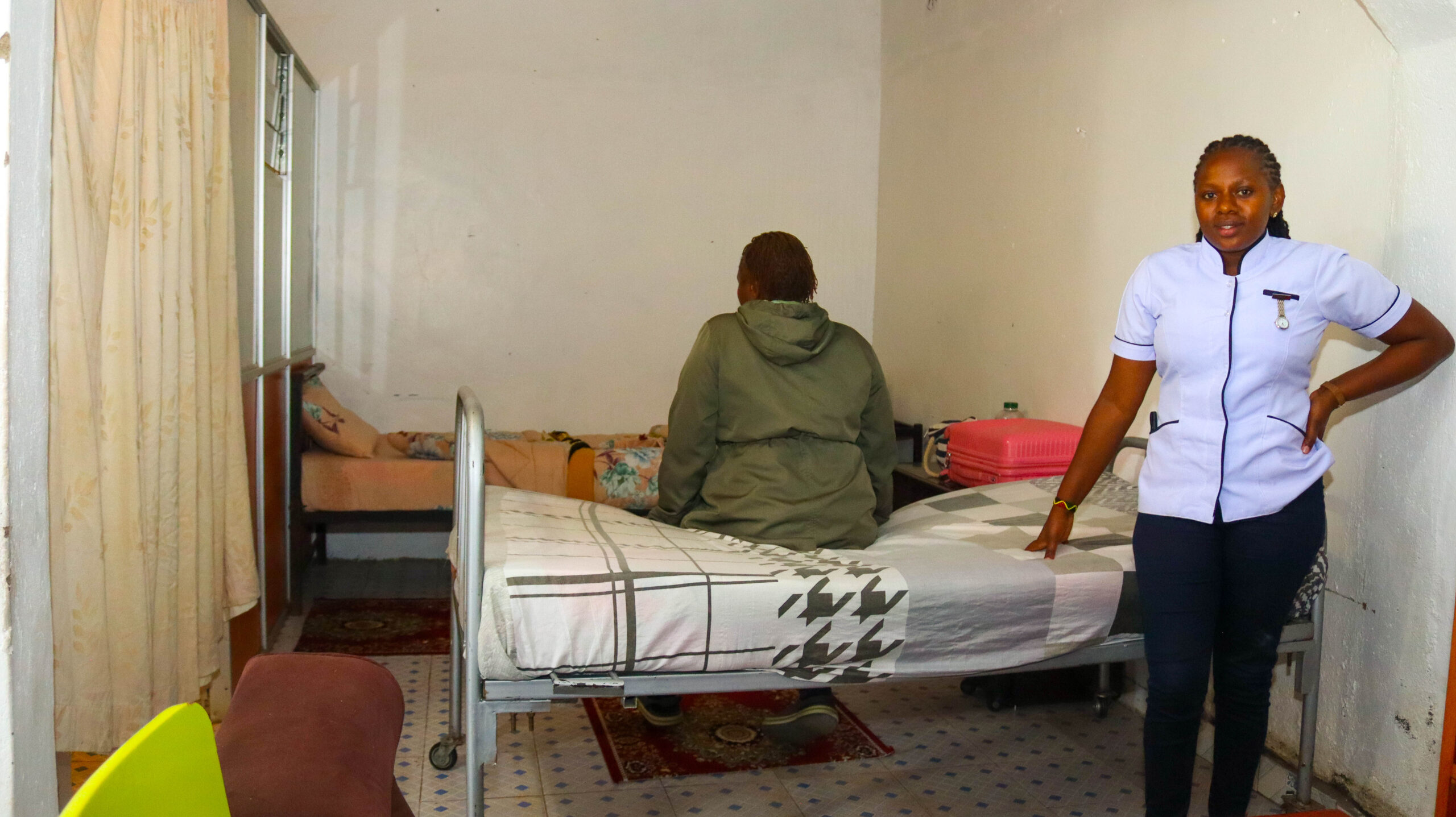
Process Addiction Treatment (e.g., Gambling)
We provide specialized treatment for behavioral addictions like gambling, gaming, and compulsive internet use, using cognitive-behavioral therapy and structured support programs.
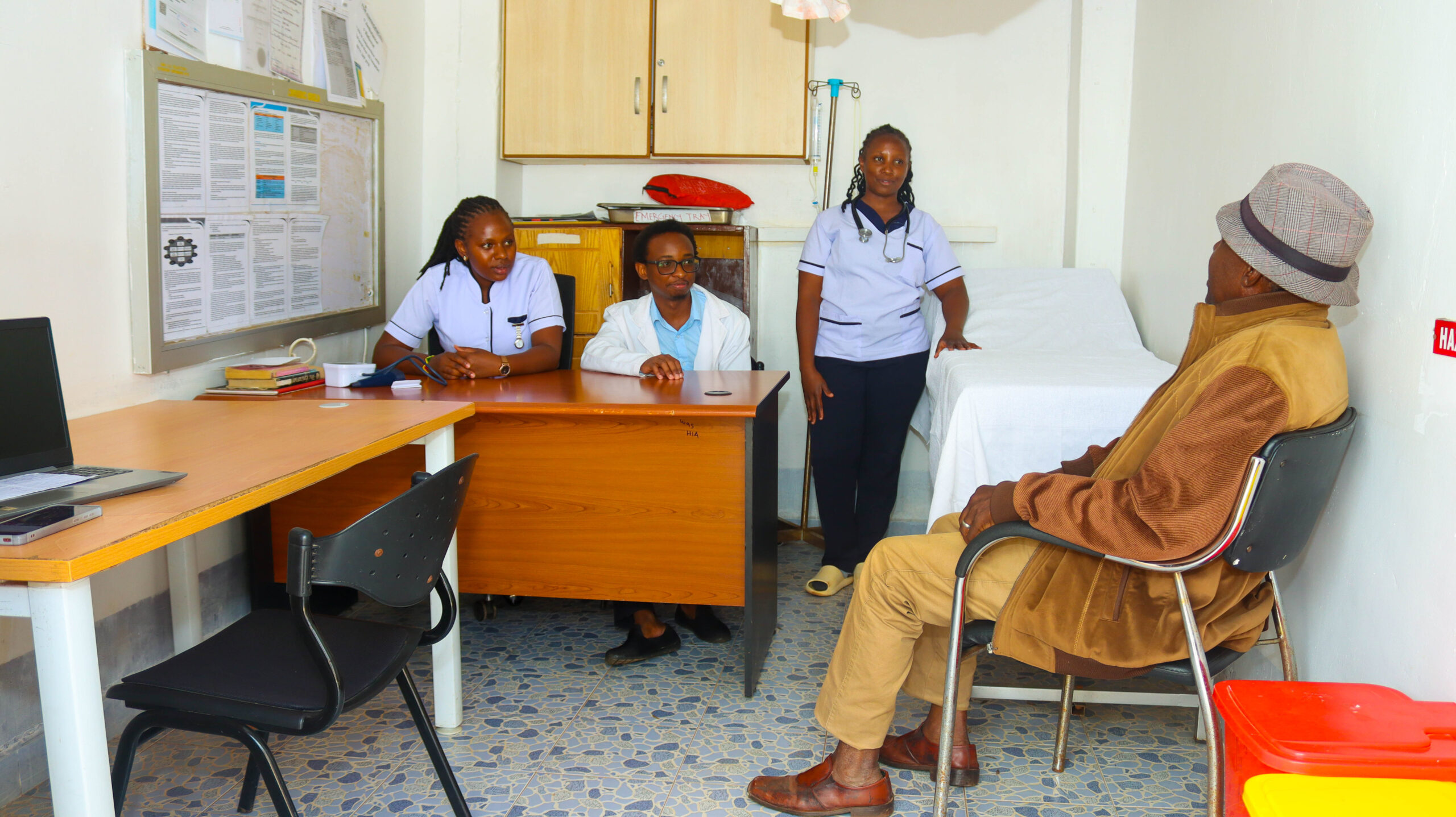
Trauma Counselling
Our trauma-informed therapists help individuals process past traumatic experiences that often underlie mental health or substance use disorders, restoring a sense of safety and control.
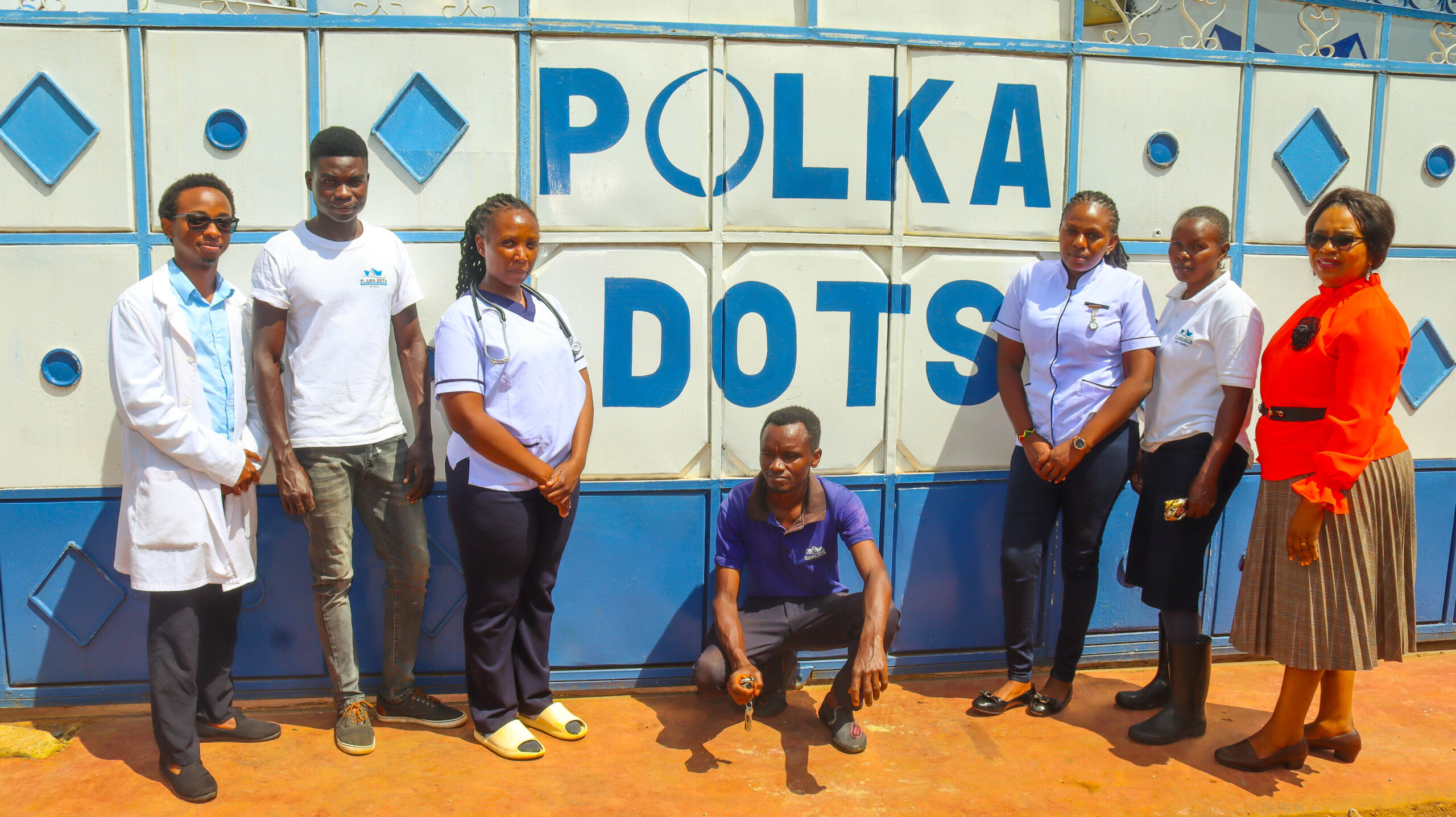
Psychoeducation
Clients and families receive structured education sessions on mental health conditions, treatment processes, medication, and healthy coping strategies to improve understanding and engagement.
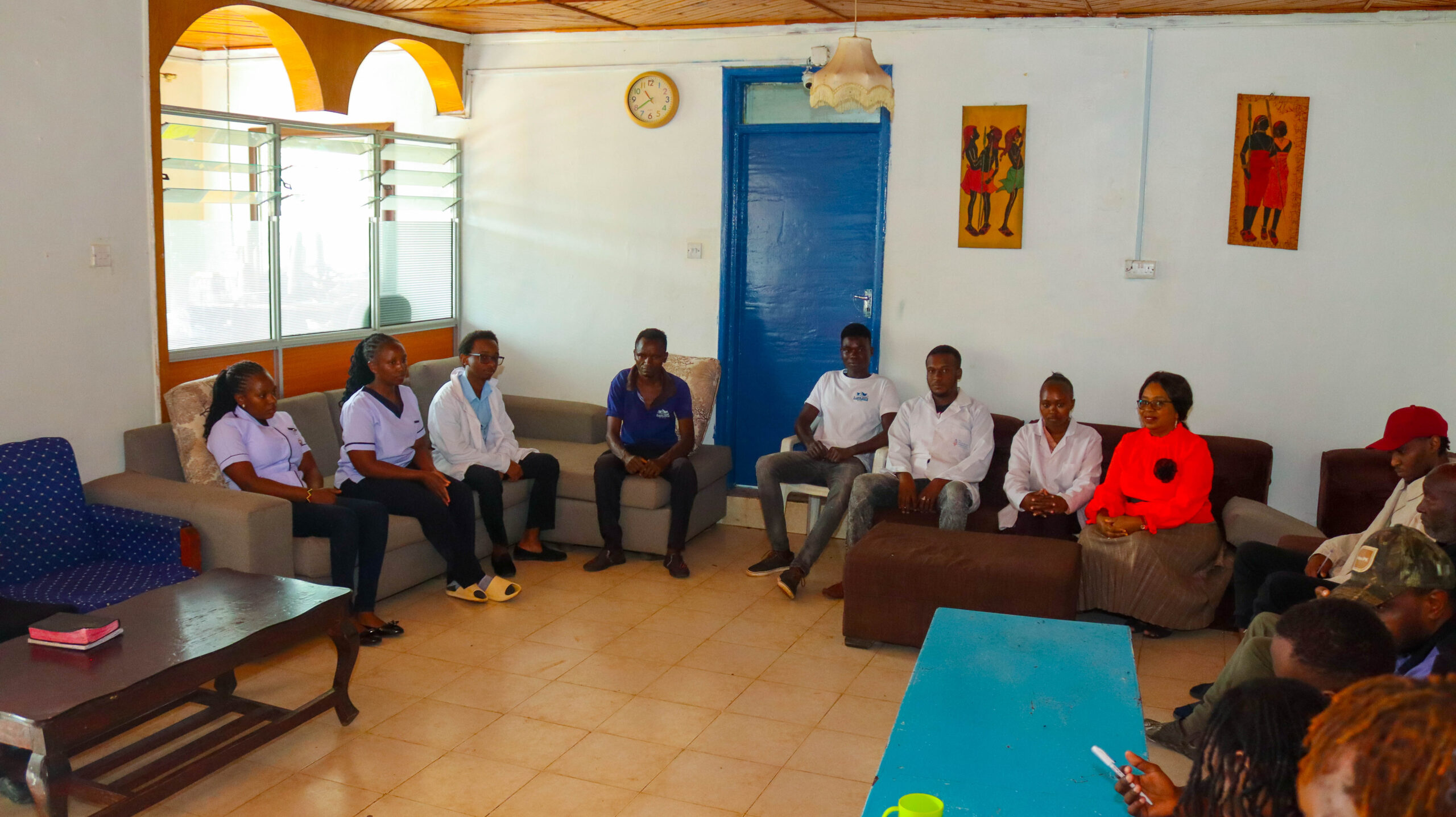
Family Support Program
We offer ongoing guidance and emotional support for families of clients, helping them understand their loved one’s condition and learn how to best support their recovery journey.
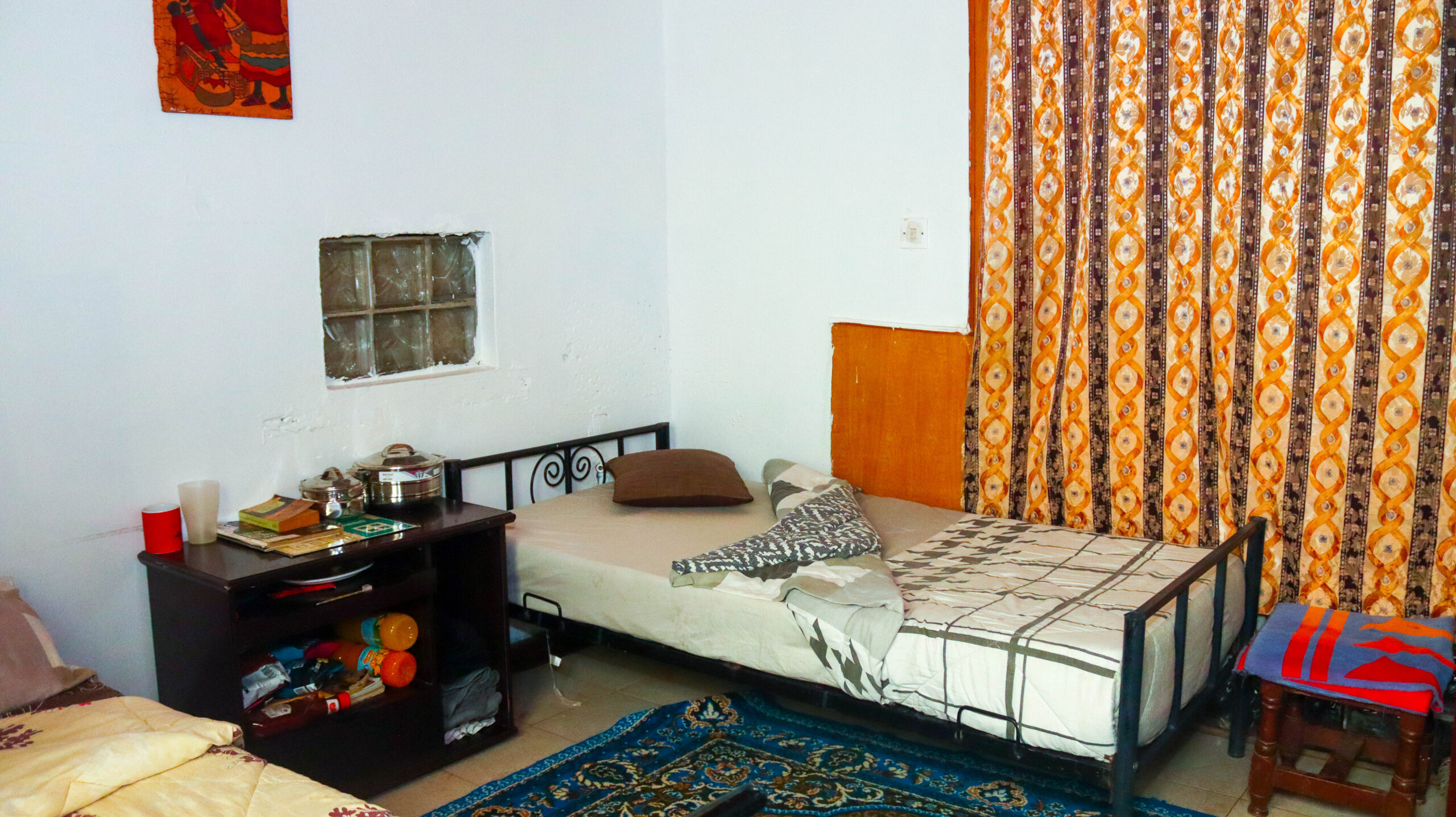
Spiritual and Personal Growth
We support clients’ spiritual wellness and personal development through guided reflection, meditation, and culturally sensitive spiritual integration where appropriate.
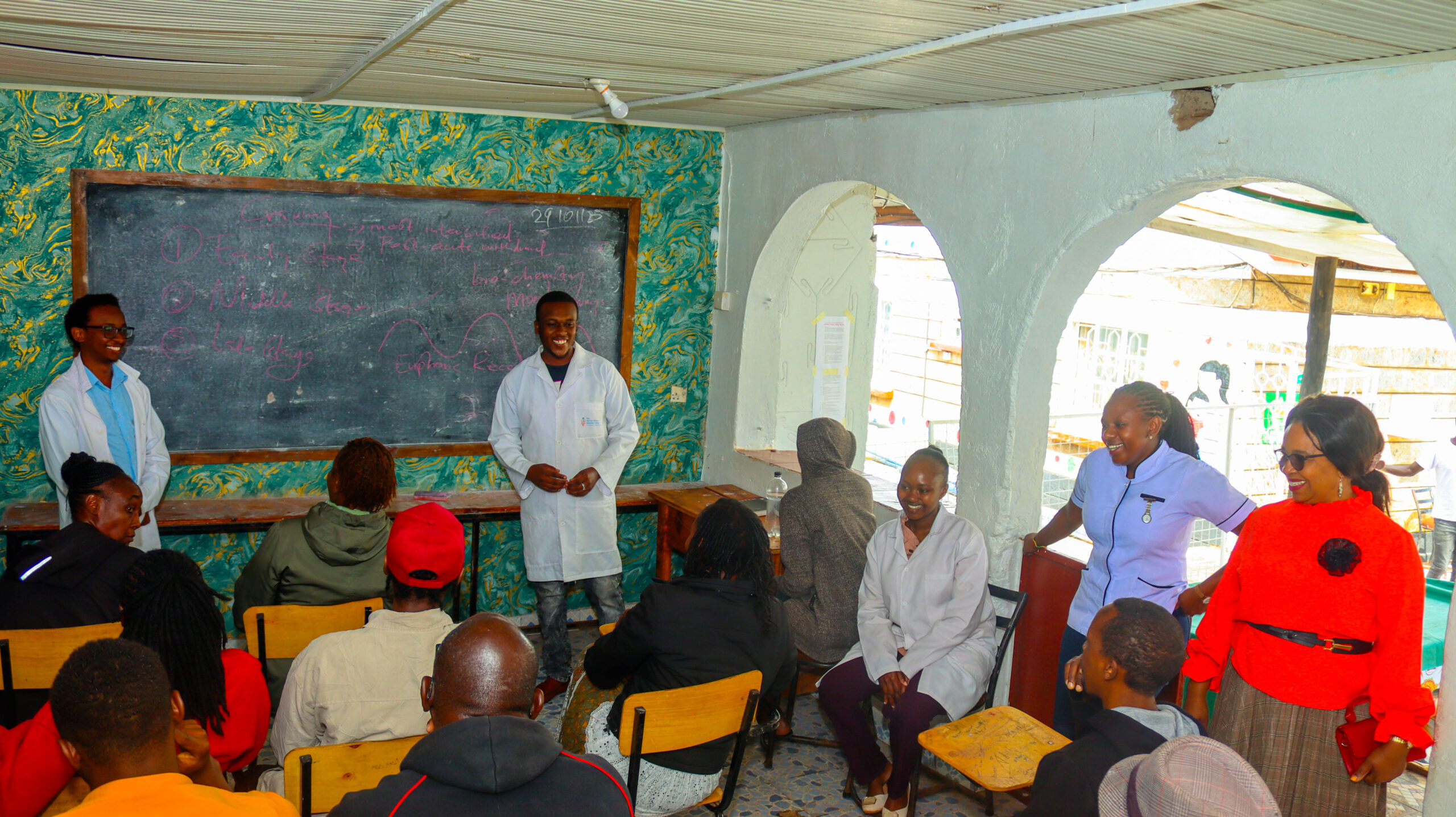
Prevention and Education
Our outreach programs aim to raise awareness about mental health and addiction, reduce stigma, and provide early intervention strategies to schools, workplaces, and community groups.
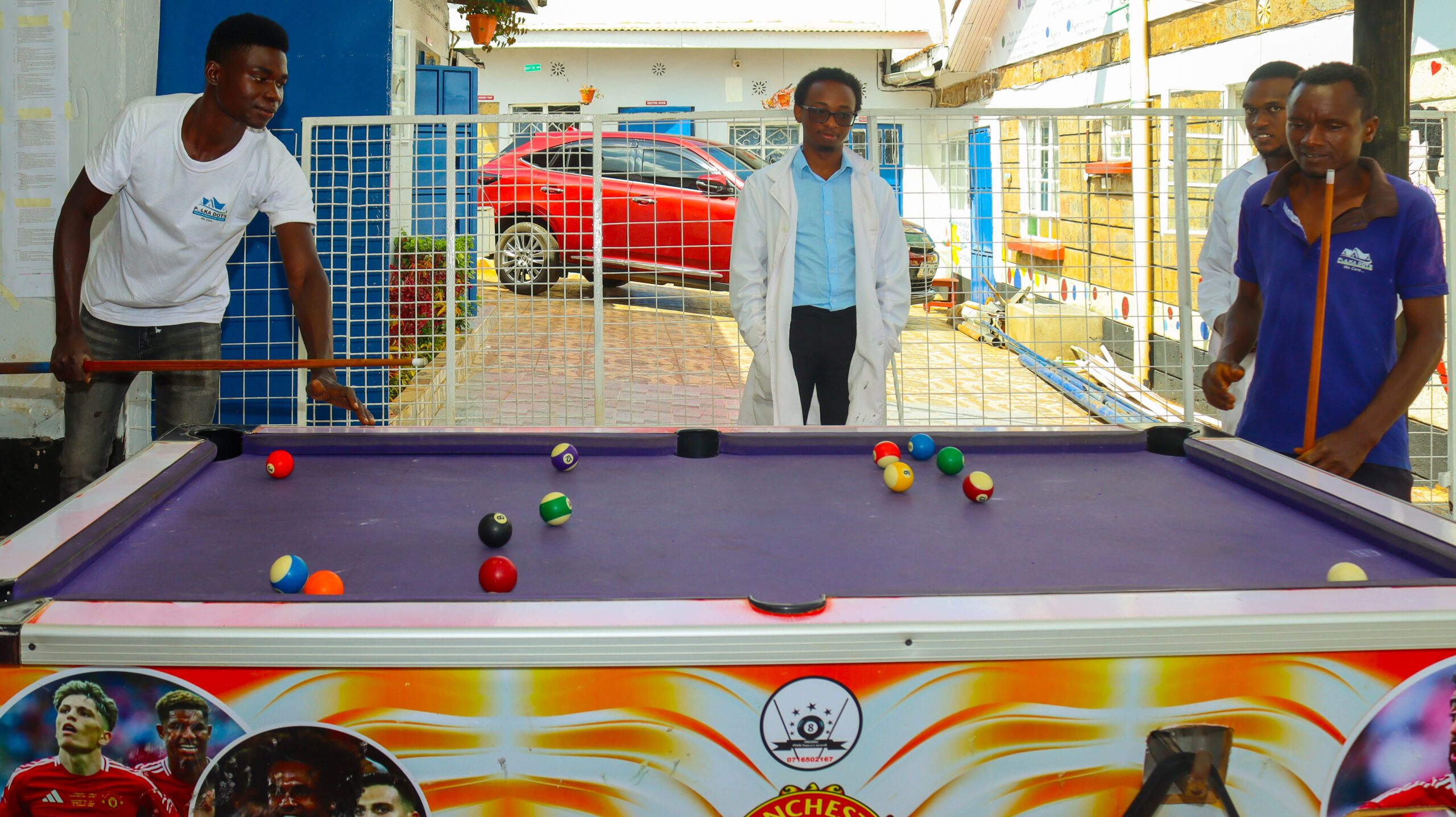
Social Skills Training
We help clients improve interpersonal relationships and social interaction through structured activities, role-playing, and guided feedback sessions.
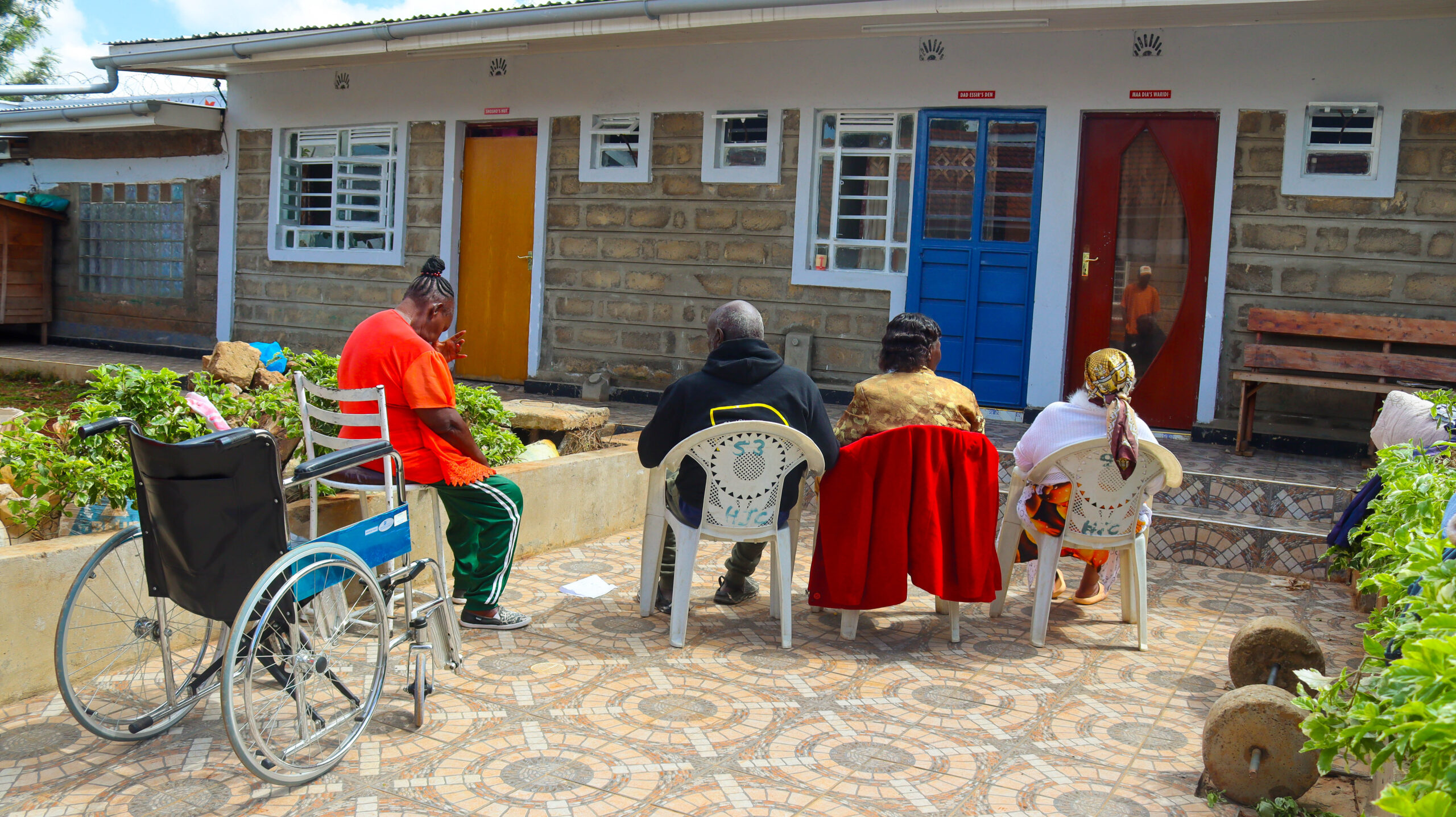
Physical Rehabilitation (e.g., Physiotherapy)
We offer physiotherapy and mobility support for clients recovering from physical conditions or requiring rehabilitation as part of their mental health care.
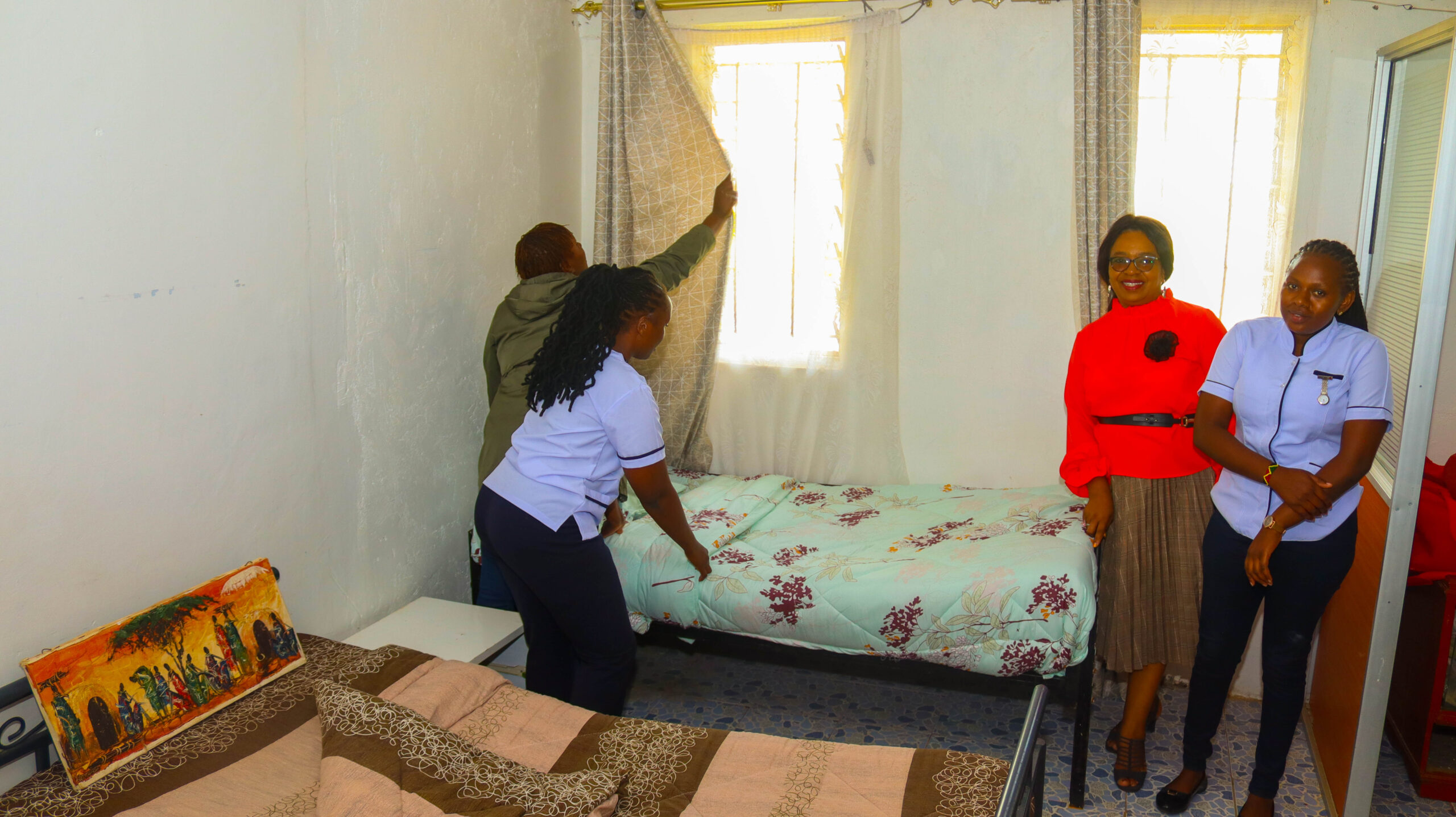
Aftercare Follow-Up and Services
Recovery doesn’t end at discharge. We provide structured aftercare support through regular follow-up, check-ins, ongoing counselling, and reintegration planning to reduce relapse risk.
1+
All Branches
7+
Psychologist
20+
Total Patient
95%
Achievement
Feedback
Reviews

“Polka Dots has been a blessing to our family. My daughter came in with serious struggles, but the transformation she has undergone is beyond what we imagined. The staff is professional, caring, and truly dedicated to recovery.”
Client
Josphat Koech
“As a mother, watching your child suffer is heartbreaking. But Polka Dots gave us hope. They treated my son with compassion and involved us every step of the way. I’m forever grateful.”
Client
Bernice Muthema
“Polka Dots provided a safe and structured environment for my elderly parent. The therapy sessions and personalized care have helped him rebuild his life. I confidently recommend this facility to any family in crisis.”
Client
Mary Brenda Kemunto
“Before coming to Polka Dots, we had tried other places with little success. Here, we found not only treatment but healing for the whole family. The staff’s commitment is unmatched.”
Client
Brian Kinyanjui
“This place is a true haven. My son has shown immense progress since joining Polka Dots. The support system, both emotional and professional, is outstanding. Thank you for giving us our boy back
Client
Ben Otieno
AFFORDABLE PRICE
No Extra Hidden Charges! Choose Your Best Package
Questions & Answers
FAQ
What are the services that you offer to SUD patients?
A. We offer a range of services, including:
1. Detoxification and medical management
2. Individual and group counselling
3. Family therapy
4. Cognitive Behavioural Therapy (CBT)
5. Relapse prevention training
6. Life skills and vocational training
7. Aftercare planning and support
How does one become an addict?
A. Addiction often develops through repeated use of a substance that creates pleasurable effects. Factors like genetics, environment, trauma, mental health issues, and peer pressure can contribute to this progression. Over time, the brain’s reward system becomes dependent on the substance, leading to compulsive use despite negative consequences.
How sure are you that the client won’t relapse after discharge?
A. While we can not guarantee that a client won’t relapse, we significantly reduce the risk through evidence-based treatment, relapse prevention strategies, and continued aftercare support. Recovery is a lifelong journey, and maintaining it requires ongoing effort, support, and lifestyle change.
How long is the rehabilitation programme?
A. The program typically lasts between 30 to 90 days, depending on the client’s needs, progress, and level of addiction. Some cases may require extended care beyond 90 days.
Which are some of the activities that the clients engage themselves in?
A. Clients participate in activities such as:
1. Group therapy and AA/NA meetings
2. Art and music therapy
3. Sports and physical exercise
4. Journaling and meditation
5. Skills training and educational sessions
6. Chores and team-building activities
How many sessions does a client have to do during the rehabilitation programme?
A. A client typically attends 2–5 sessions per day, including therapy, group discussions, and psychoeducation. Over the course of a month, this can add up to 60–100 sessions, tailored to the client’s treatment plan.
A. We offer a range of services, including:
1. Detoxification and medical management
2. Individual and group counselling
3. Family therapy
4. Cognitive Behavioural Therapy (CBT)
5. Relapse prevention training
6. Life skills and vocational training
7. Aftercare planning and support
A. Addiction often develops through repeated use of a substance that creates pleasurable effects. Factors like genetics, environment, trauma, mental health issues, and peer pressure can contribute to this progression. Over time, the brain’s reward system becomes dependent on the substance, leading to compulsive use despite negative consequences.
A. While we can not guarantee that a client won’t relapse, we significantly reduce the risk through evidence-based treatment, relapse prevention strategies, and continued aftercare support. Recovery is a lifelong journey, and maintaining it requires ongoing effort, support, and lifestyle change.
A. The program typically lasts between 30 to 90 days, depending on the client’s needs, progress, and level of addiction. Some cases may require extended care beyond 90 days.
A. Clients participate in activities such as:
1. Group therapy and AA/NA meetings
2. Art and music therapy
3. Sports and physical exercise
4. Journaling and meditation
5. Skills training and educational sessions
6. Chores and team-building activities
A. A client typically attends 2–5 sessions per day, including therapy, group discussions, and psychoeducation. Over the course of a month, this can add up to 60–100 sessions, tailored to the client’s treatment plan.
$19
MONTHLY
Business
- High Speed Internet
- Free Parking Space
- Free Parking Data
- Full Access
GET STARTED NOW

popular
$45
MONTHLY
Premium
- High Speed Internet
- Free Parking Space
- Free Parking Data
- Full Access

$75
MONTHLY
Unlimited
- High Speed Internet
- Free Parking Space
- Free Parking Data
- Full Access