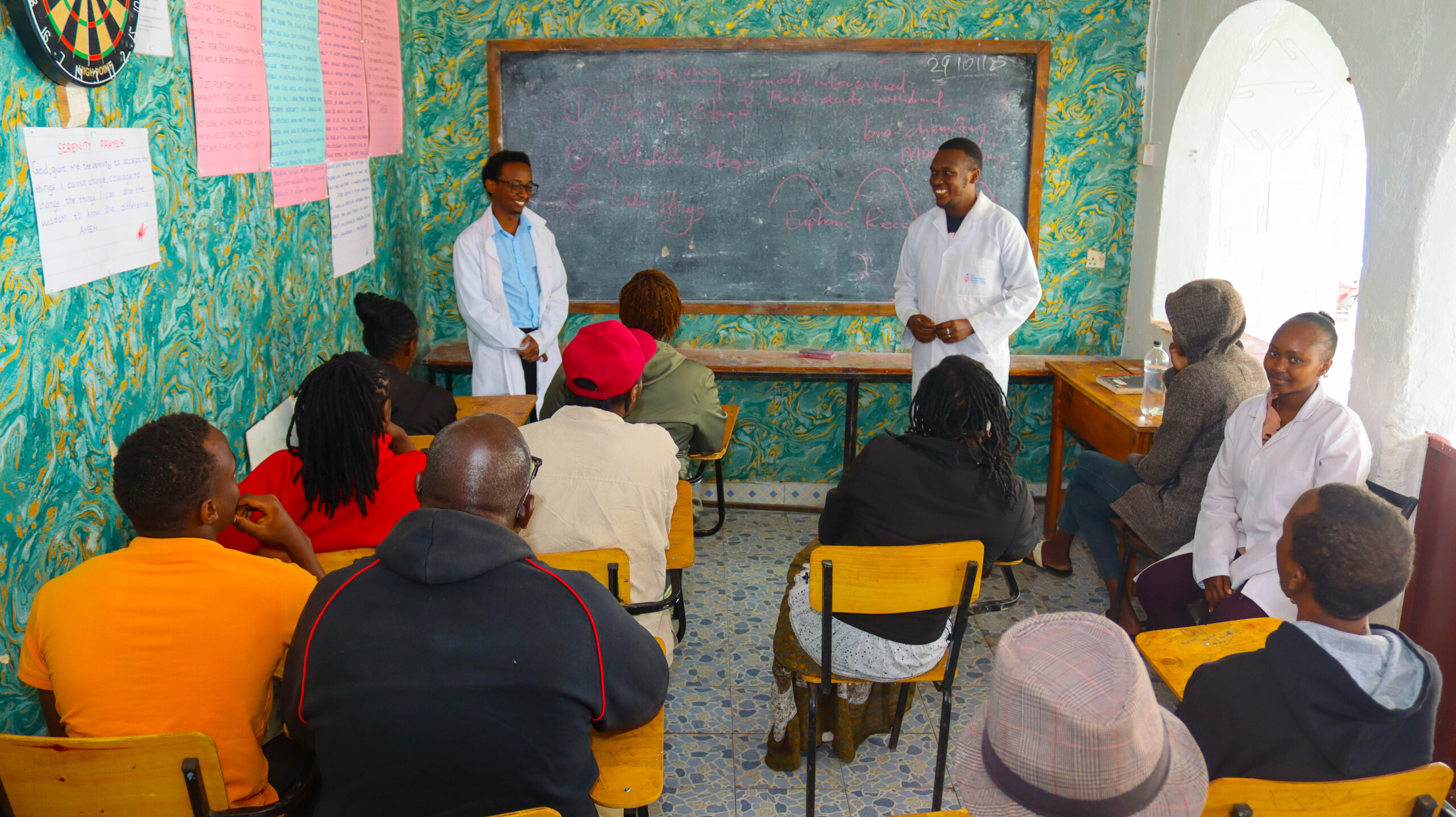
Polka Dots Wellness and Retreat Center is a specialized psychiatric treatment facility committed to providing holistic, long-term care for individuals facing psychological disorders, substance use challenges, and age-related health concerns. We offer a unique blend of inpatient, outpatient, and day-treatment programs, all rooted in compassion, dignity, and evidence-based practice. We stand as a sanctuary for individuals and families seeking a safe, nurturing, and professional space to begin or continue their healing journey. For over five years, we have remained steadfast in our mission to transform lives—one recovery at a time.
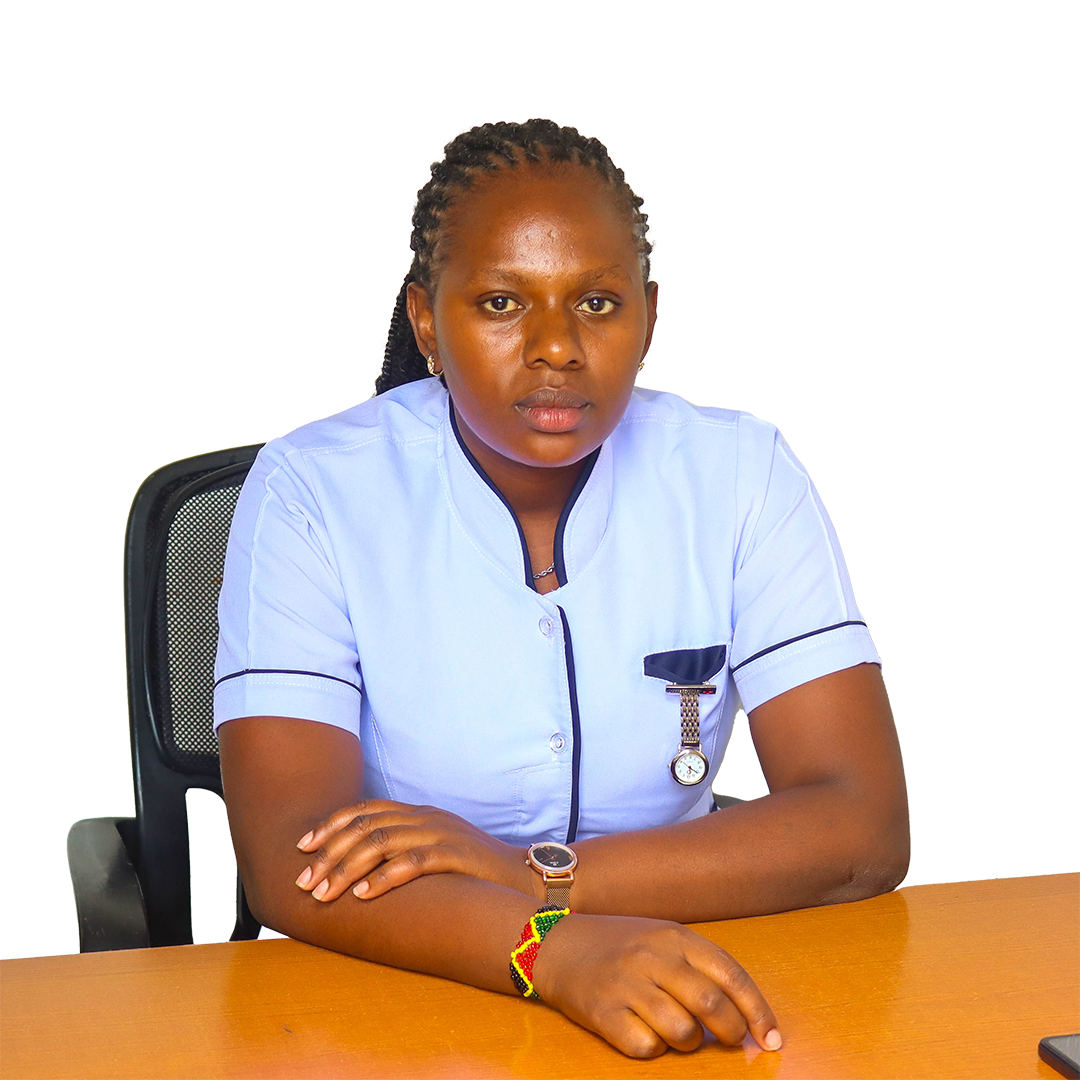
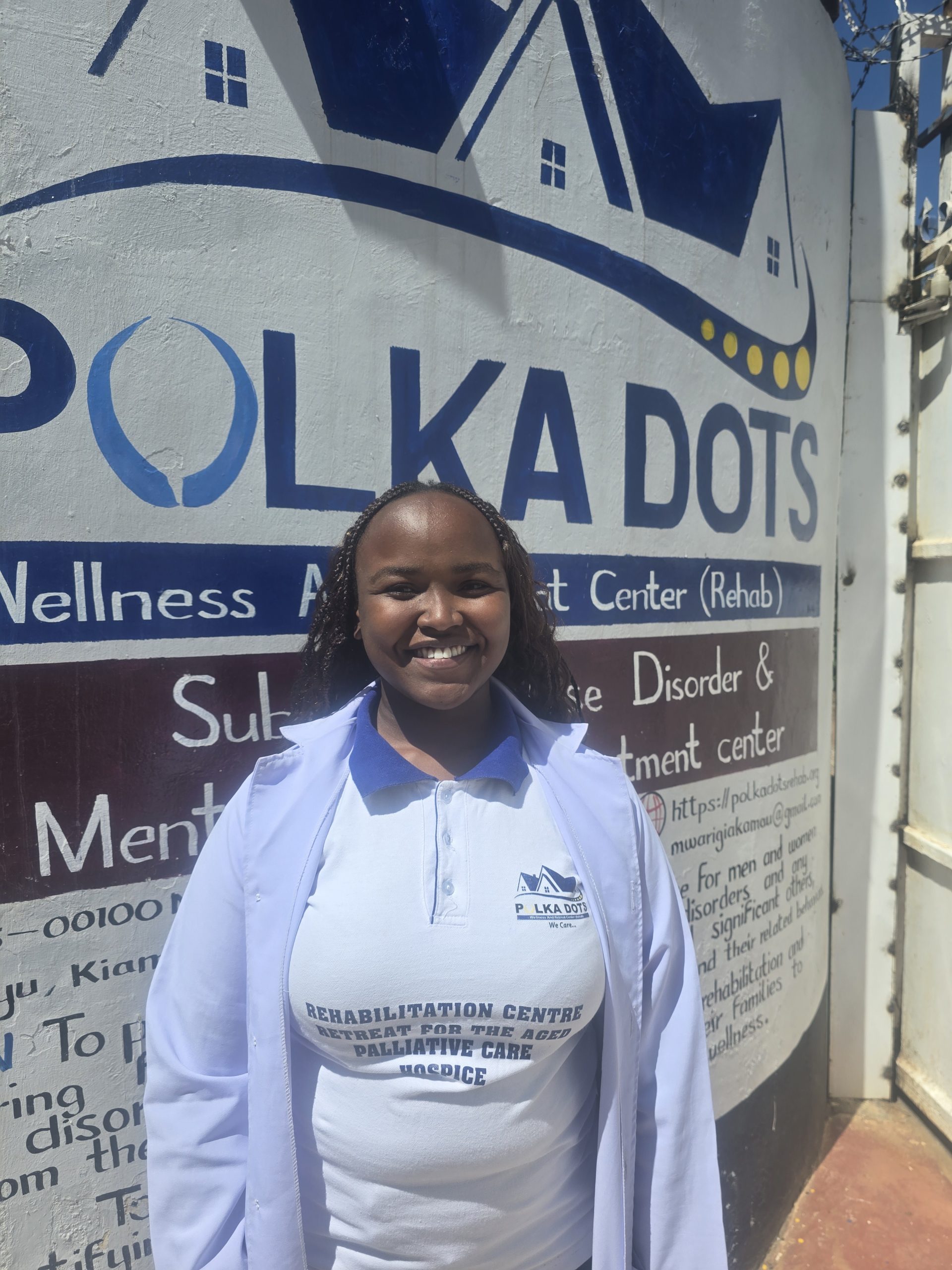
Warigia Kamau Waitiki is the Founder and Chief Executive Officer of Polka Dots Wellness and Retreat Center. A licensed Counseling Psychologist and Addiction Counselor, she brings years of experience in mental health and addiction treatment to the center’s leadership.
Polka Dots Wellness and Retreat Centre was founded by Warigia Kamau Waitiki, a distinguished professional holding licenses as a counseling psychologist and addiction counselor. Her expertise encompasses comprehensive care for the elderly, alongside specialized knowledge in addressing dementia and schizophrenia, among other mental health disorders.
Mrs. Waitiki’s foundational understanding of mental health challenges was cultivated early in life. Her O-levels at St. Teresa’s Secondary School and diploma studies at Utalii College were geographically proximate to Mathari Teaching and Referral Hospital, providing a stark early exposure to the struggles associated with mental illness. This awareness was further deepened by personal experience, having grown up with a cousin who grappled with Bipolar disorder and required regular visits to Mathari for essential treatment; the absence of which led to severe crises necessitating physical restraint for transport to the hospital.
As Chief Executive Officer, Mrs. Waitiki’s profound commitment to mental health wellness was significantly shaped by her tenure as an intern at Mathari Mental Teaching and Referral Hospital. During this period, she engaged directly with a diverse array of psychological and addiction-related conditions, solidifying her passion and expertise.
Since its inception, Polka Dots has achieved a remarkable 95% success rate in the prevention, treatment, and management of various mental health disorders. These include, but are not limited to, depression, Bipolar disorder, suicidal ideation, substance use disorder (SUD), gambling addiction, concerns related to sexual orientation, ADHD, OCD, dementia, Alzheimer’s, and schizophrenia.
The ethos of Polka Dots is encapsulated by the principle from Colossians 3:23: “Whatever you do, work at it with all your heart, as working for the Lord, and not human masters.” This guiding scripture underscores the center’s commitment to delivering care with unwavering diligence and integrity, as if serving a higher purpose.
To empower individuals, families, and seniors in their golden years through compassionate, holistic, and inclusive care that nurtures physical health, emotional well-being, and social support while addressing substance abuse, mental health disorders, and related challenges.
To foster a healthier, stigma-free society by walking alongside each person on their journey to recovery.
Polka Dots Wellness and Retreat Centre draws its name from the fact that, like a collection of various sizes and colours of Polka Dots; mental health conditions manifest uniquely in each individual. Conditions such as bipolar disorder, schizophrenia, ADHD, depression, suicidal ideation, etc. may appear different, yet they are all recognized as mental disorders.This analogy highlights the diversity of mental health experiences while emphasizing their interconnectedness within the broader landscape. Ultimately, our medical hospital symbolizes a haven full of love,empathy, understanding, compassion, and tailored care for every individual's mental well-being.
Our commitment doesn’t end when treatment does. We provide long-term aftercare and post-rehabilitation support
Our addiction treatment programs are evidence-based, medically supervised, and holistically integrated, covering every stage of recovery from detox to reintegration.
We take pride in offering specialized geriatric mental health and wellness services for senior citizens facing mental deterioration or complex medical conditions like diabetes, dementia, or cognitive decline.
We are one of the few centers in Kenya dedicated exclusively to the long-term treatment of complex psychological and psychiatric conditions
Our programs are led by a compassionate and multidisciplinary team of certified psychiatrists, psychologists, addiction counselors, nurses, social workers, and therapists. We recognize that mental health and addiction affects the entire family, and our holistic approach ensures that both clients and their loved ones receive the support they need for lasting recovery and wellness.


A. We offer a range of services, including:
1. Detoxification and medical management
2. Individual and group counselling
3. Family therapy
4. Cognitive Behavioural Therapy (CBT)
5. Relapse prevention training
6. Life skills and vocational training
7. Aftercare planning and support
8. 12 steps therapy programme
A. Addiction often develops through repeated use of a substance that creates pleasurable effects. Factors like genetics, environment, trauma, mental health issues, and peer pressure can contribute to this progression. Over time, the brain’s reward system becomes dependent on the substance, leading to compulsive use despite negative consequences.
A. While we can not guarantee that a client won’t relapse, we significantly reduce the risk through evidence-based treatment, relapse prevention strategies, and continued aftercare support. Recovery is a lifelong journey, and maintaining it requires ongoing effort, support, and lifestyle change.
A. The program typically lasts between 30 to 90 days, depending on the client’s needs, progress, and level of addiction. Some cases may require extended care beyond 90 days.
A. Clients participate in activities such as:
1. Group therapy and AA/NA meetings
2. Art and music therapy
3. Sports and physical exercise
4. Journaling and meditation
5. Skills training and educational sessions
6. Chores and team-building activities
A. A client typically attends 2–5 sessions per day, including therapy, group discussions, and psychoeducation. Over the course of a month, this can add up to 60–100 sessions, tailored to the client’s treatment plan.